हिंदी में…
स्नायुक रोग का सर्वप्रथम वर्णन वृन्द माधव (9वीं शताब्दी) एवं वांगसेन संहिता (12वीं शताब्दी) में मिलता है।
स्नायुक निदान के नाम से एक स्वतंत्र अध्याय के रूप में वर्णन योगरत्नाकर (17वीं शताब्दी) में मिलता है।
स्नायुक रोग के नाम
- “तंतुक” और “गंडज” की संज्ञा – वांगसेन संहिता में।
- “ग़डूस्थ” संज्ञा – सोढ़ल संहिता (12वीं शताब्दी) में।
- “तंतु कीट” की संज्ञा – योगरत्नाकर में।
स्नायुक रोग की उत्पत्ति का कारण व लक्षण
“शाखासु कुपिता दोषा: शोथम कृत्वा विसर्पवत”
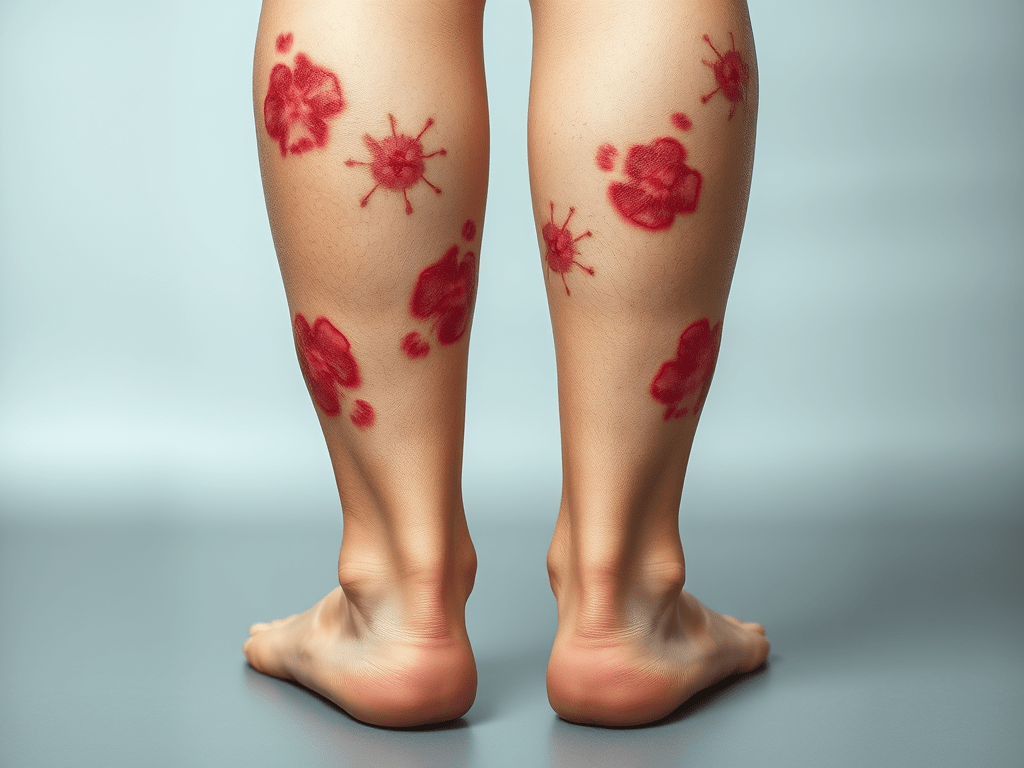
- हाथ-पैर में तीनों दोष (वात, पित्त, कफ) कुपित होकर त्वचा में विसर्प के समान शोथ उत्पन्न कर देते हैं।
- जब शोथ का भेदन हो जाता है तो शोथ की ऊष्मा से स्नायु सूख जाती है और वहां तंतु के समान गोल, श्वेत वर्ण के कीट उत्पन्न हो जाते हैं।
- क्षत होने पर जब कीट बाहर निकल जाता है तो शोथ अपने आप शांत हो जाता है और पुनः दूसरे स्थान पर शोथ उत्पन्न हो जाता है।
स्नायुक रोग के उपद्रव
- “बाहु संकोच”
- “खंज”
स्नायुक रोग के भेद
दोष अनुसार स्नायुक रोग के 8 भेद होते हैं:
- वातज
- पित्तज
- कफज
- रक्तज
- वातपित्तज
- पित्तकफज
- वातकफज
- सन्निपातज
स्नायुक रोग की चिकित्सा
स्नेहन, स्वेदन, लेपन, और विसर्पवत चिकित्सा की जाती है।
बाह्य चिकित्सा
- वातज स्नायुक रोग: अहिंस्रा मूल का कल्क बनाकर गोमूत्र के साथ लेपन करें।
- पित्तज स्नायुक रोग: पंच वल्कल (वट, गूलर, पीपल, पाकड़, वेतस) की छाल का कल्क बनाकर लेपन करें।
- कफज स्नायुक रोग: कांचनार की छाल का कल्क बनाकर लेपन करें।
- सभी प्रकार के स्नायुक रोग: बबूल बीज का कल्क बनाकर गोमूत्र के साथ लेपन करें।
- सर्वोत्तम उपाय: सहजन की जड़ और पत्र का कल्क बनाकर कांजी और सेंधा नमक मिलाकर लेपन करें।
अभ्यंतर चिकित्सा
- पाताल गरुड़ी मूल को जल के साथ पीना।
- निर्गुंडी पत्र का स्वरस निकालकर घी के साथ पीना।
- पारावत (कबूतर) विष्ठा को शहद के साथ पीना।
- रामठ आदि योग: हींग, टंकण, और यवक्षार मिलाकर पीना।
In English…
The first mention of Snayuka Roga is found in Vrinda Madhava (9th century) and Vangasena Samhita (12th century).
It is described as an independent chapter under the name Snayuka Nidana in Yogaratnakara (17th century).
Names of Snayuka Roga
- “Tantuka” and “Gandaja” – as described in Vangasena Samhita.
- “Gadustha” – as described in Sodhala Samhita (12th century).
- “Tantu Keet” – as described in Yogaratnakara.
Causes and Symptoms of Snayuka Roga
“Shakhasu Kupita Dosha: Shotham Krutva Visarpavat”
- The vitiation of all three doshas (Vata, Pitta, Kapha) in the limbs leads to swelling in the skin that resembles Visarpa (erysipelas).
- When the swelling bursts, the heat from the swelling dries up the nerves, resulting in the formation of round, white worms resembling fibers.
- When the worms emerge from the wounds, the swelling subsides on its own, only to reappear at another site.
Complications of Snayuka Roga
- “Bahu Sankoch” (contraction of arms)
- “Khanja” (limping)
Types of Snayuka Roga
Based on the doshas, Snayuka Roga is classified into eight types:
- Vataja
- Pittaja
- Kaphaja
- Raktaja
- Vata-Pittaja
- Pitta-Kaphaja
- Vata-Kaphaja
- Sannipataja
Treatment of Snayuka Roga
The treatment includes Snehana (oleation), Swedana (fomentation), Lepana (application of pastes), and management similar to that of Visarpa.
External Treatment
- Vataja Snayuka Roga: Apply a paste made from Ahinsra Mula with cow urine.
- Pittaja Snayuka Roga: Apply a paste made from the bark of the five trees (Panchavalkal – Banyan, Cluster Fig, Peepal, Pakar, and Vetasa).
- Kaphaja Snayuka Roga: Apply a paste made from the bark of Kanchanara.
- All Types of Snayuka Roga: Apply a paste made from Babool seeds with cow urine.
- Best Remedy: Apply a paste made from Sahajan (Drumstick) root and leaves, mixed with Kanji (fermented liquid) and rock salt.
Internal Treatment
- Drink a decoction of Patal Garudi root with water.
- Consume the fresh juice of Nirgundi leaves with ghee.
- Ingest the excreta of Pigeons (Paravat) mixed with honey.
- Ramatha Yoga: Consume a mixture of Hing (asafoetida), Tankana (borax), and Yavakshara (alkali from barley ash).
 Ayurvedic Ways
Leave a comment